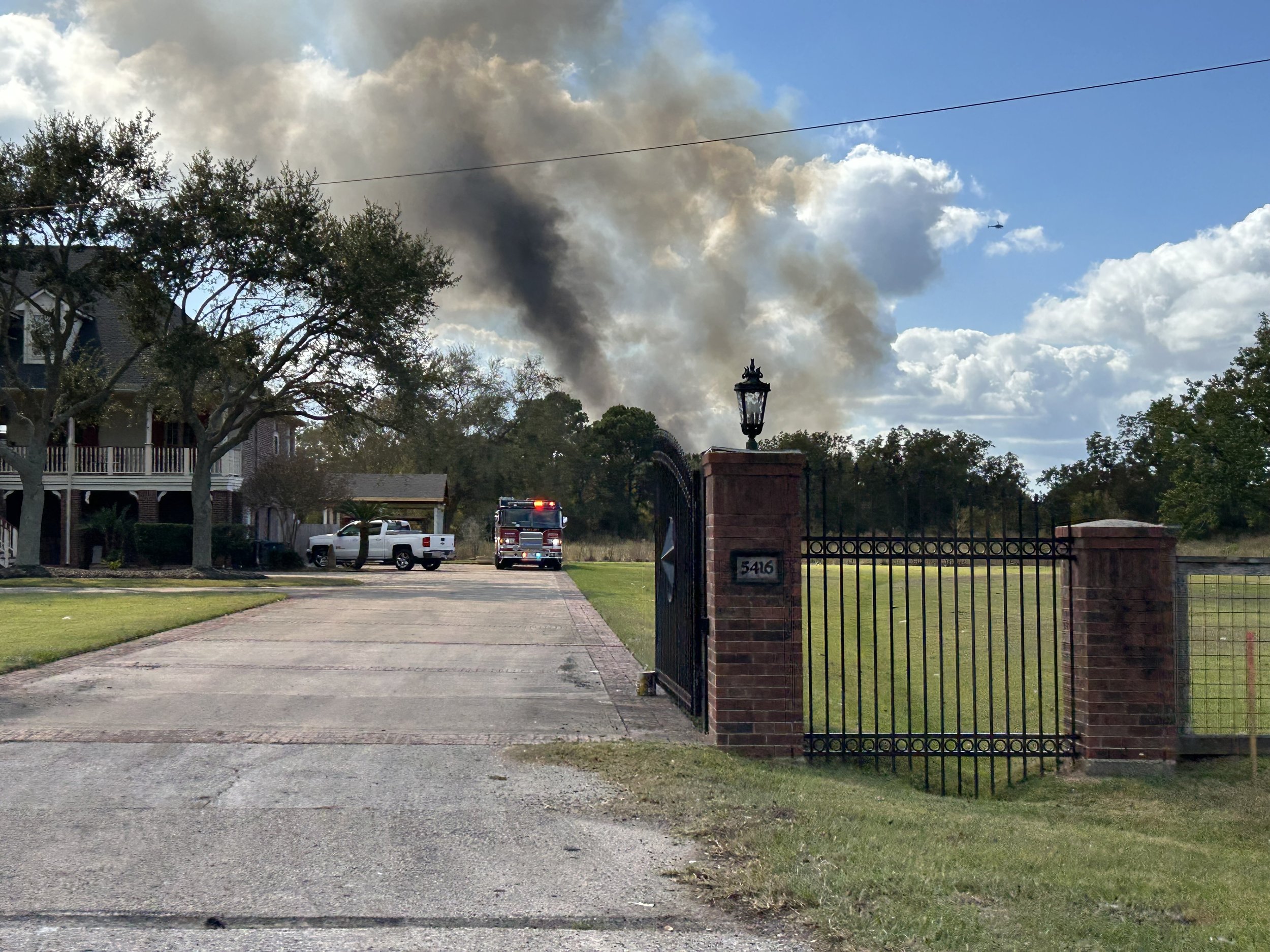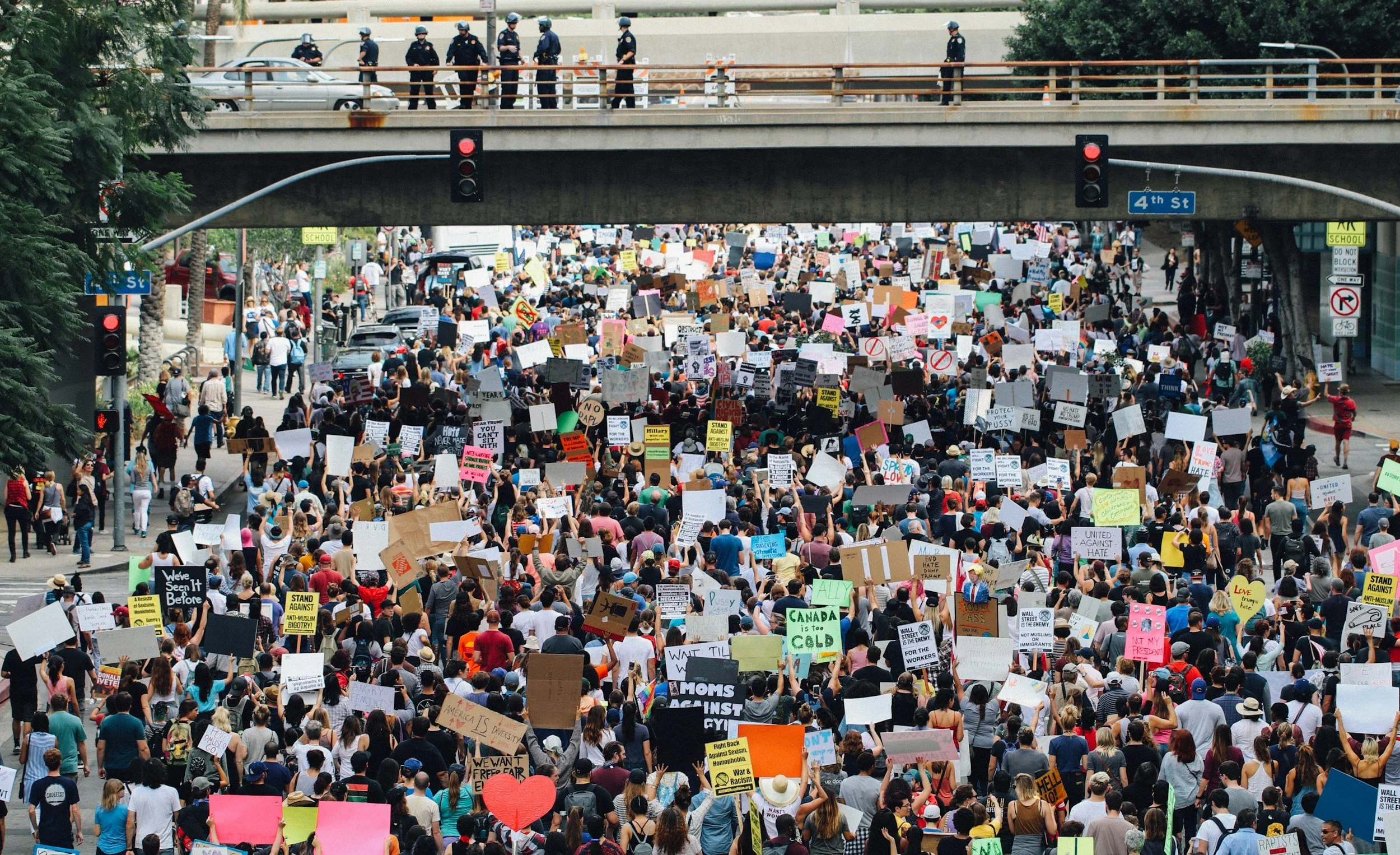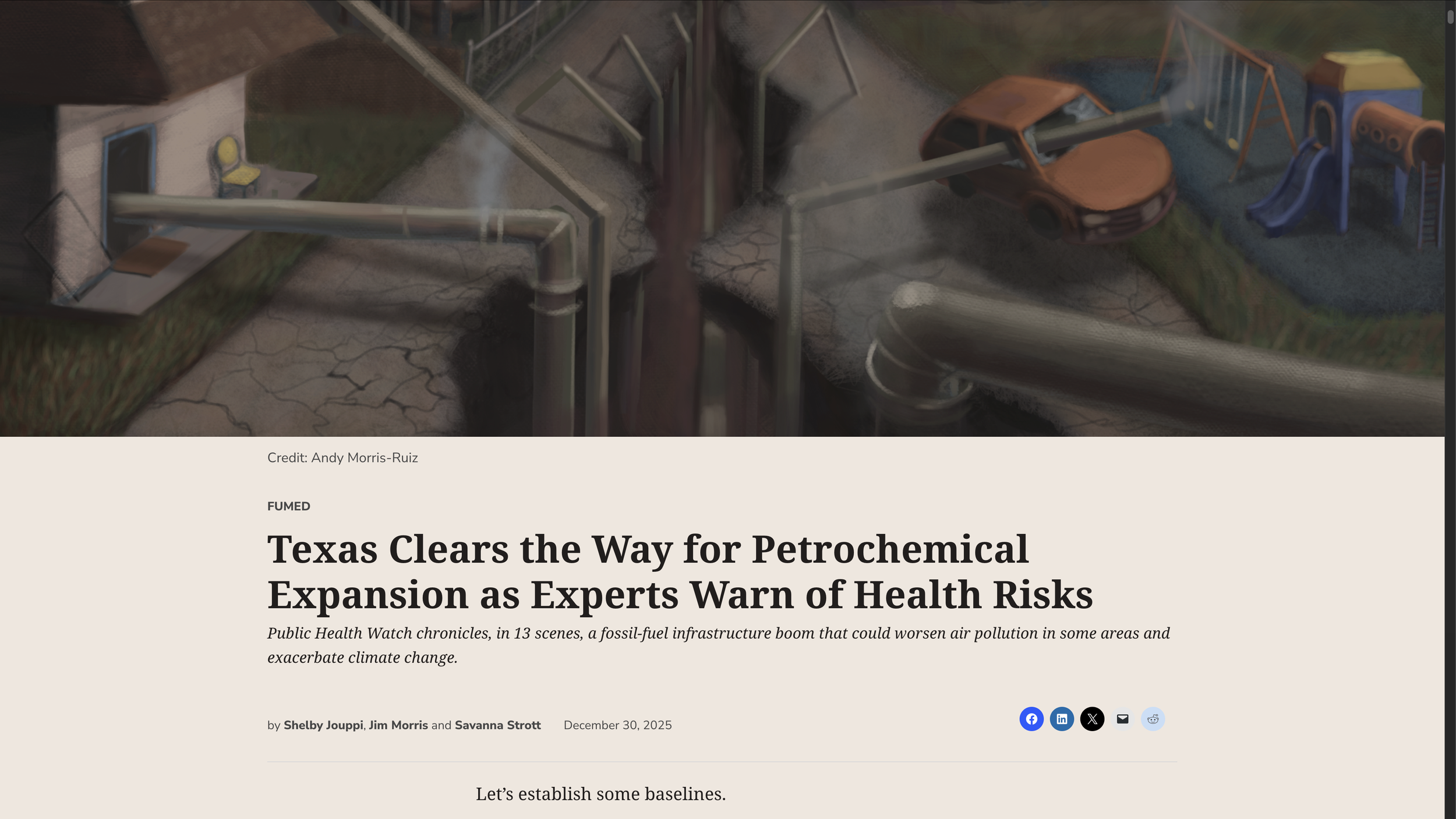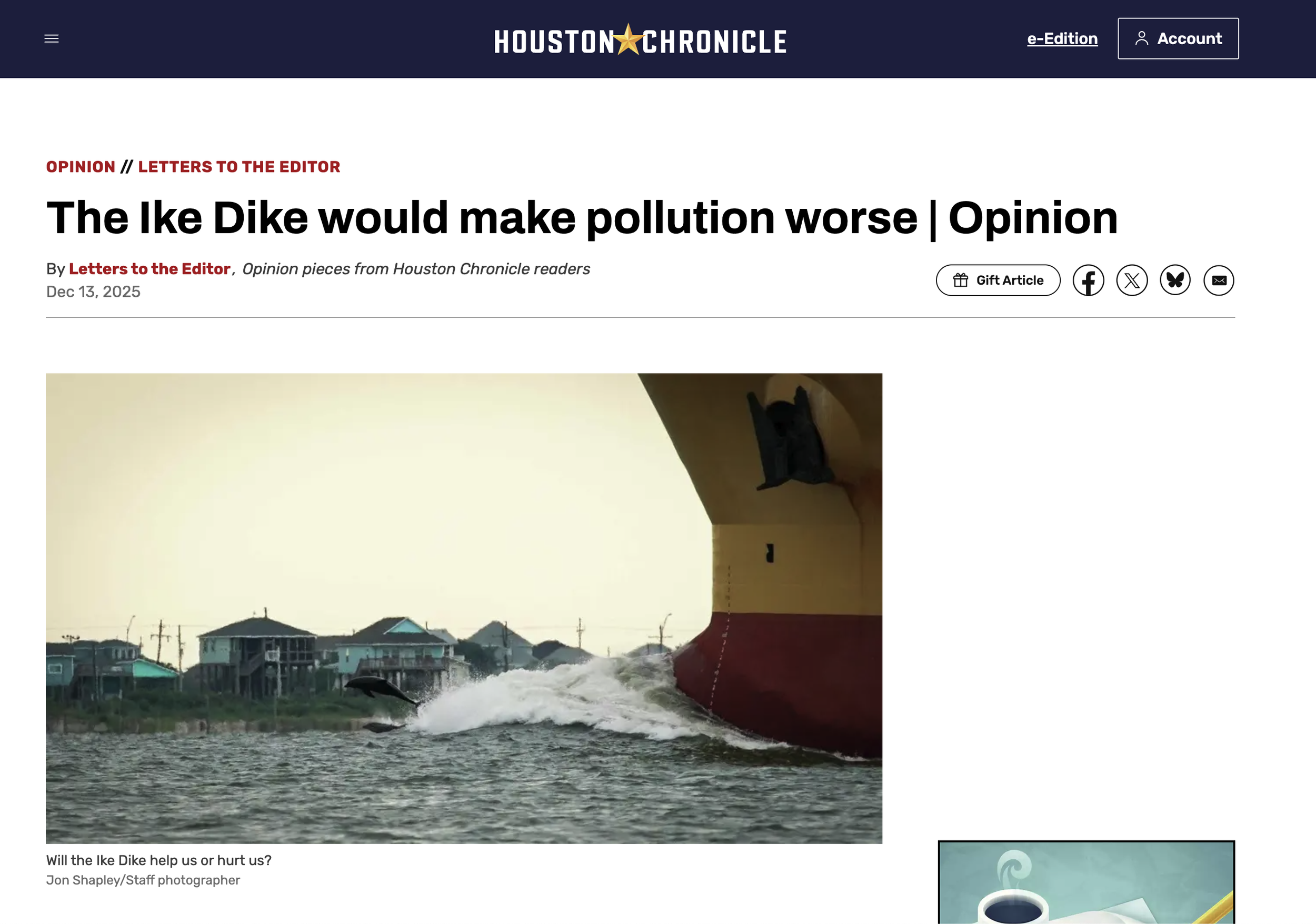
We are watching the fenceline. Together, in solidarity, we will succeed in our collective survival.

- Fenceline Watch

CONTACT: Shiv Srivastava
Policy Director
fencelinewatch@gmail.com

FOR IMMEDIATE RELEASE
November 14, 2025

Chemical Disasters Impact Us, and so Does Chemical Safety Board Funding:
Frontline Communities Demand Protection of the CSB

Houston, TX- Today, Fenceline Watch, alongside more than 85 communities living on the frontline of chemical disasters, indigenous communities, elected officials, and environmental advocates, have signed a letter urging Congress to fully fund the U.S. Chemical Hazard and Safety Investigation Board as the agency faces potential elimination. 

Approximately 131 million Americans live within three miles of an industrial facility that processes or stores highly toxic chemicals. Despite the risk of nearly half of the US population living near such sensitive infrastructure, the current administration has slated for the only independent federal agency that investigates chemical disasters that result in catastrophic harm, the U.S. Chemical Safety and Hazard Investigation Board (CSB), to cease operations in 2026.

Since its establishment, the U.S. Chemical Safety Board has investigated nearly 200 chemical disasters and issued over 1000 safety recommendations. These recommendations have increased the safety of workers and communities living alongside petrochemical, oil, gas, and pipeline infrastructure.

The Chemical Safety Board is a federally funded agency that has received strong bipartisan support from impacted communities, industry associations, and taxpayers. With the looming reopening of the government, it is critical that Congress votes to fully fund the CSB’s budget. The House’s current proposal slashes CSB funding nearly in half, from $14 million to $8 million. The Trump Administration’s Fiscal Year 2026 Budget proposal excludes funding for the U.S. Chemical Safety Board, signaling plans to eliminate the agency by next year. 

These cuts will affect the regulation of Risk Management Plan (RMP) facilities,  a designation given by the U.S. EPA to particularly dangerous facilities. According to the EPA, of the 131 million people living within three miles of an RMP facility, approximately 20 million identify as Black or African American, 32 million identify as Hispanic or Latino, and 44 million earn less than or equal to twice the poverty level. The Greater Houston Area contains more than 600 chemical facilities, of which 251 are RMP facilities. These petrochemical plants, oil and gas refineries, and pipeline infrastructure border homes, schools, places of worship, and parks. Without CSB recommendations to inform safer practices, the threat of chemical disasters occurring in our communities is never a question of “if” but “when”.

In 2025, 19 chemical disasters occurred in Texas, six of which occurred in our communities along the Houston Ship Channel, resulting in injuries and mandatory shelter-in-place orders. Chemical disasters pose a significant threat to our lives, both during and after these events. We experience vomiting, loss of consciousness, skin burns, organ failure, damage to reproductive systems, other health harms, and in the most severe cases, death. The harm we shoulder extends beyond our lifetimes and is passed on to our children and future generations. The effects manifest in mutagenic harm, low birth weights, delayed development, and neurological damage. We are left with irreversible damage to our bodies, families, environment, and our futures.

We stand united across the country, calling for the preservation of the U.S. Chemical Hazard and Safety Investigation Board. Our elected Congresspeople must support the CSB’s full funding and continued operation.

Press Release
Full Letter
Chemical Safety Board: Quick Facts

Rise up to protect communities and workers! Eco Services is a plant that produces sulfuric acid located in Manchester, a predominantly Latinx community, in Houston's historic East End. The plant sits just 2,000 feet from HISD's J.R. Harris Elementary School and just streets away from a YES Prep secondary school. The plant has a history of environmental and safety violations, having been cited by the EPA as a violator of the Clean Air Act and the Clean Water Act. The plant has a history of dangerous chemical releases into the community and unsafe working conditions for workers. Eco Services is asking the state of Texas to renew its air permit to continue to operate in the community.

Register below to get information on how you can get involved to protect vulnerable communities and workers

Register Here

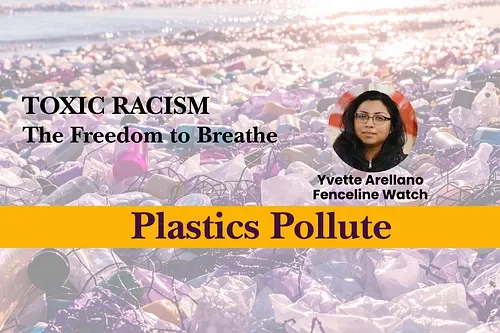
Fenceline Watch at Global Plastic Treaty INC-4

23 - 29 April 2024, Ottawa, Canada

Watch INC-4 by clicking this link >>>> https://www.unep.org/inc-plastic-pollution/session-4

Definition: INC = Intergovernmental negotiating committee

Purpose: Intergovernmental negotiating committee to develop an international legally binding instrument on plastic pollution, including in the marine environment Fourth session

Why is Fenceline Watch Involved?

The Houston Ship Channel is home to 618 chemical manufacturing establishments. 99% of plastic is derived from fossil fuels and after extraction in oil fields like the Permian basin in West Texas, the oil, gas, and other fossil fuels then arrive at refining and petrochemical production sites to create feedstocks, polymers, olefins, and pellets for plastics. Oil major states, such as Texas, have no laws to prohibit these facilities from being co-located next to homes, communities, schools, and parks. Every day, people in our communities have to undergo the daily emissions, odors, exposures, and symptoms of toxic exposure. This is a violation of our Human Right to a healthy environment. We are here to pressure decision-makers to include toxic chemical phase-out, public disclosure of toxiss and health effects, and production caps to address the plastic crises truly and ultimately, a legally binding instrument that is protective of human rights, biodiversity and the environment for current and future generations.

“A holistic approach to tackling the existential crisis of plastic is essential. Our communities at the fenceline of plastic production stand in solidarity with those affected from extraction to waste. Our fight for survival is a fight for our future. It is our duty; we refuse to fail.”

- Yvette Arellano, Founder and Director of Fenceline Watch, CIEL Trustee

Interested in learning more ready more at: https://www.fencelinewatch.org/ourwork/toxicplastic

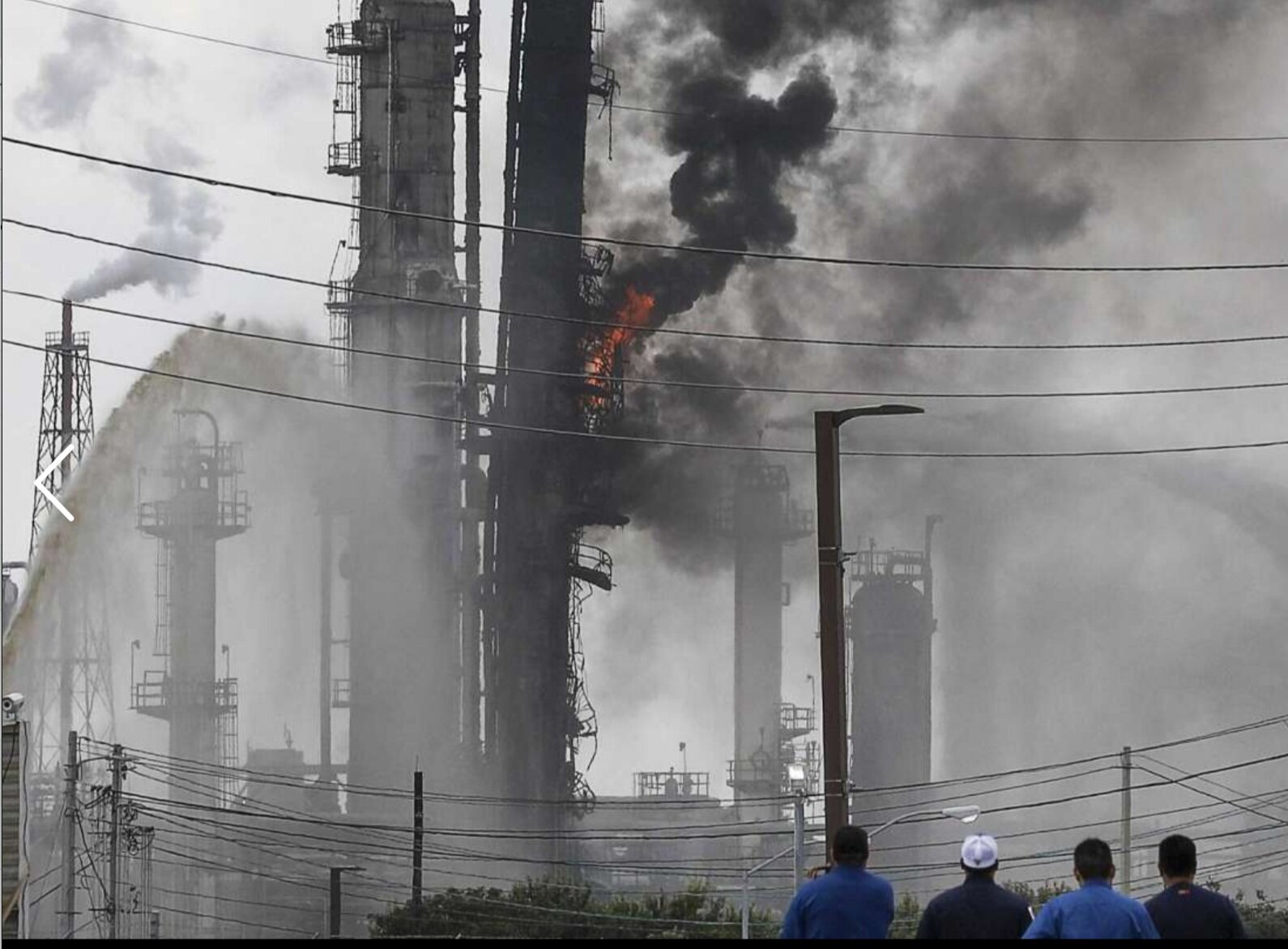
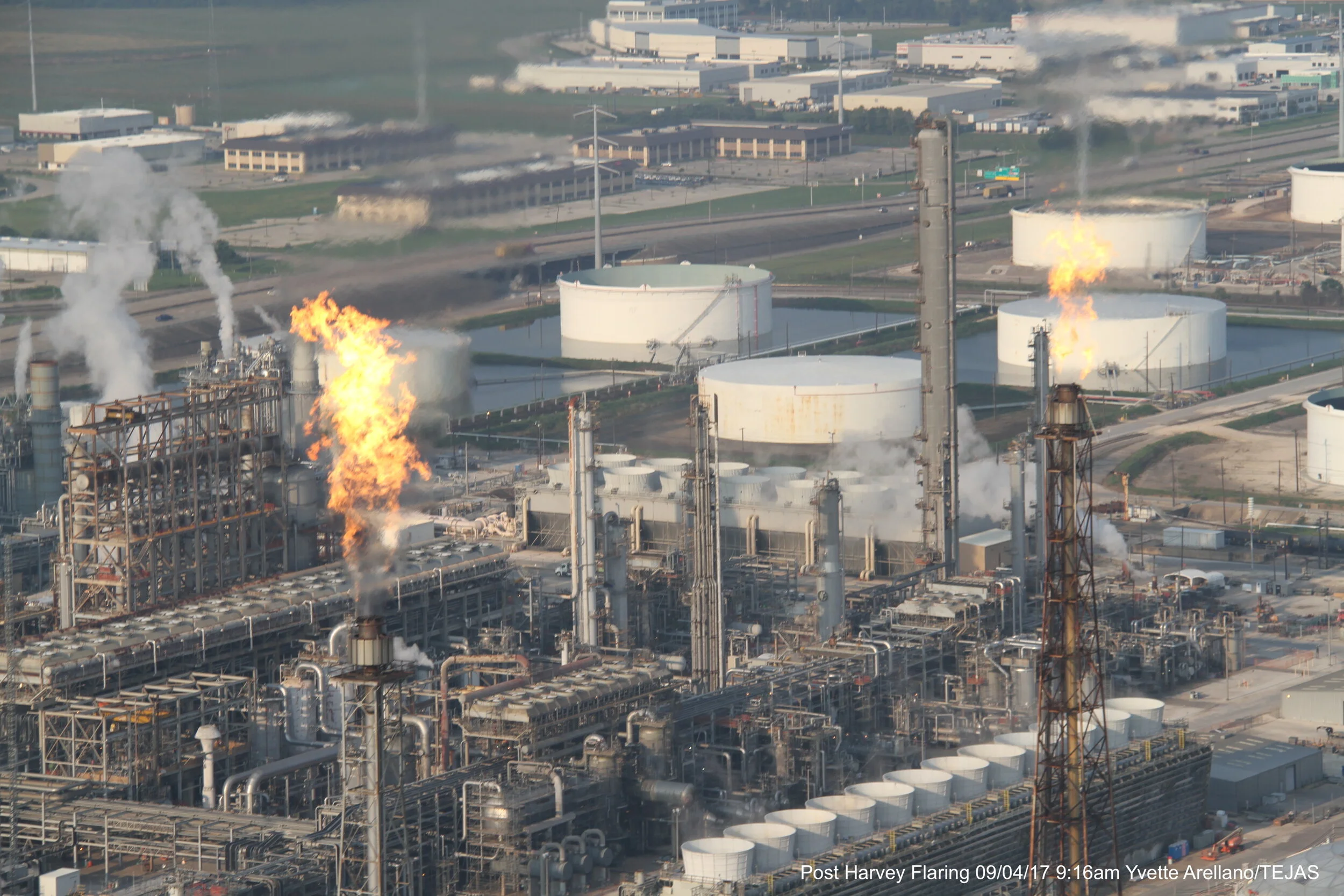
Photo Credit for both: Yvette Arellano Houston (left) Ship Channel aerial view (above) Shell Chemical excessive flare during school release

Fenceline Watch Official Intervention for Global Plastic Treaty INC-2 & INC-3

Learn more about our work with the Global Plastic Treaty process.

Click here - Read Full INC-2 Statement
Click Here- Submission At Closing Of INC-3

We will establish a counterbalance to an industry that has leveraged systemic inequities to skirt environmental oversight, expand, and harm our most vulnerable. 

Submit a complaint to Texas Commission on Environmental Quality (TCEQ)

Need to file a complaint with the TCEQ on an odor in your community. Follow the link below or click the blue button below. If you are told to call the City of Houston, remember you have a right to have your complaint documented with TCEQ.

https://www.tceq.texas.gov/assets/public/compliance/monops/complaints/complaints.html

¿Necesita presentar una queja ante la TCEQ sobre un olor en su comunidad? Siga el enlace a continuación o haga clic en el botón azul. Si le indican que llame a la Ciudad de Houston, recuerde que tiene derecho a que su queja se documente ante la TCEQ.

https://www.tceq.texas.gov/assets/public/compliance/monops/complaints/complaints.html

Click Here - File Complaint with TCEQ in English

Submitir una queja ante la Comisión de Calidad Ambiental de Texas (TCEQ)

Oprime Aquí - para doccumentar una queja ante la TCEQ español
ElJardinBeach.jpeg

Who We Are

As people living in the gulf coast surrounded by fossil fuel infrastructure, we rise in response to the rapid oil and gas expansion in the midst of the global climate crisis. Fenceline Watch is dedicated to the eradication of toxic multigenerational harm on communities living along the fenceline of industry.  

Follow Us On Social Media!

We strive toward a future not dependent on extraction and support opportunities for healthy, safe and productive lives.

We work in the spirit of cooperation, intersectionality and partnership fighting toward equitably meeting the developmental and environmental needs of future generations.
Together we will succeed in a movement for our collective survival.